
That due date is getting closer and closer, and with each passing day, a new kind of excitement starts to build. Mixed with all those sweet little kicks and dreams of baby snuggles, there’s a little voice in the back of your mind saying, “Okay, have I really got everything ready?” One of the most common things to do to quiet that voice and feel truly prepared is to pack your hospital bag. But what do you actually need? And what can you skip?
We’ve all seen the lists online, but as Indian parents, our needs can be a little different. From what kind of snacks to bring, to thinking about our unique family support systems, it’s good to have a checklist that truly gets you. Here at Babyblissful.in, we’ve pulled together the ultimate hospital bag checklist, breaking down everything you need for you, your baby, and your partner, whether you’re planning a vaginal birth or a C-section. This isn’t just about packing; it’s about preparing your mind for the most beautiful adventure of your life.
When to Pack Your Hospital Bag: The Timing is Everything
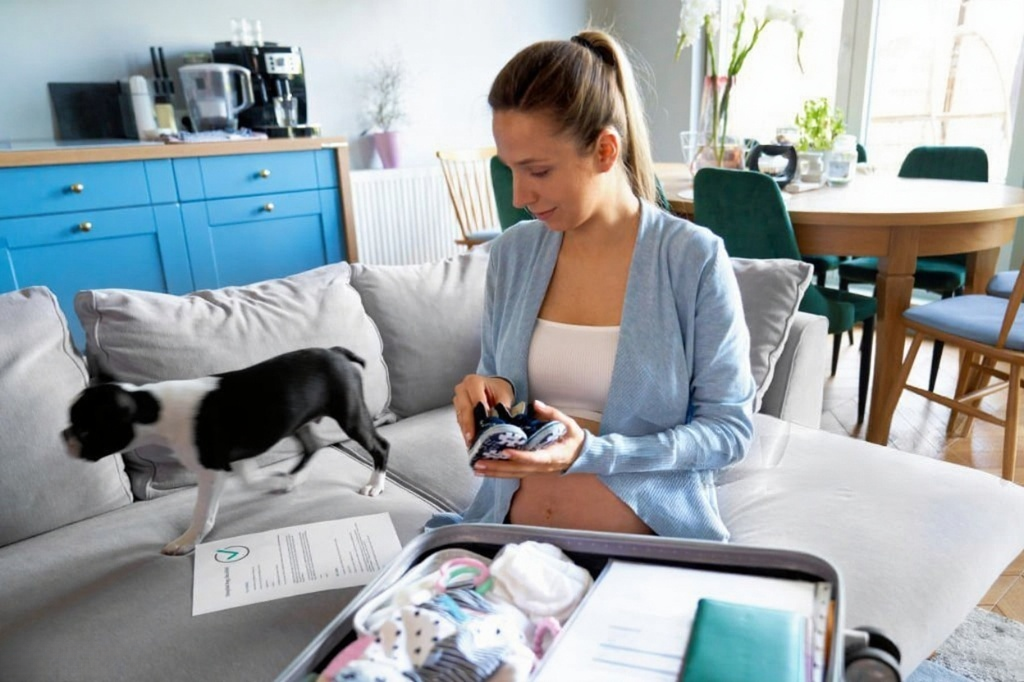
The biggest question on every expectant parent’s mind is always, “When should I pack my hospital bag?” While it feels like you have all the time in the world, babies have their own schedules, and sometimes they like to surprise us!
Most midwives and doctors recommend having your bag packed and ready to go by 36 to 37 weeks of pregnancy. This is because at 37 weeks, your pregnancy is considered full-term. It’s a great little project to do in your third trimester—it gives you something to focus on and helps you feel much more in control. Imagine the relief of knowing it’s all handled, so when the big day comes, you can just focus on what’s most important.
For those of us expecting twins, or if your medical team has suggested there’s a chance of an early arrival, it’s a good idea to get it ready even sooner, maybe around the 28 to 30-week mark. It’s always better to be prepared in advance than to be rushing around when your water breaks!
For Mum: The Essentials for Comfort & Recovery
Let’s be real: after giving birth, your body has just done something absolutely incredible, and it deserves all the care and comfort in the world. Your bag for yourself should be all about your post-delivery recovery and feeling pampered.
For Labour Day
These are the things you might want to keep in a smaller, separate bag that you can easily grab when labor starts.
- Your Documents: This is non-negotiable. Gather all your important medical papers, like your pregnancy reports, ultrasound scans, and your doctor’s notes. Anchor Text Having everything in one file makes it so much easier for the medical team.
- Comfortable Clothing: A lightweight nightie or a loose T-shirt is a good idea. Something you don’t mind getting messy. Front-opening clothes are a huge plus if you plan to breastfeed.
- Slippers or Slip-on Shoes: You’ll be moving around a bit, and a comfortable pair of shoes is a must. A pair of rubber flip-flops are also great for the hospital bathroom.
- Phone & Charger: You’ll want to stay in touch with family and take those precious first pictures. A long phone charger or a power bank is a lifesaver, as hospital outlets can be far from your bed.
- Lip Balm: Hospital air can be surprisingly dry. A little lip balm goes a long way in keeping you comfortable.
- Snacks: High-energy snacks that are easy to eat are your friends here. Think dates, granola bars, biscuits, or glucose tablets. Your partner will be thankful for these too!
Post-Delivery & Recovery Essentials
This is the big list for your postpartum period. Your body will be healing, so these items are all about making that process easier.

- High-Waisted Knickers: Your belly won’t go back to normal right away, and you’ll need underwear that’s comfortable and won’t put pressure on a C-section incision or feel tight on a tender tummy. Pack several pairs.
- Postpartum Pads: You’ll be bleeding after birth (called lochia), and it will be much heavier than a regular period. The hospital will provide some, but many parents prefer bringing their own super-absorbent pads, Here is link to Postpartum Pads that are soft and large enough for comfort.
- Peri Bottle: A peri rinse bottle is a bathroom essential, especially after a vaginal birth. It’s a lifesaver for cleaning the perineal area gently without using rough toilet paper, and it helps reduce the risk of infection. Here is a link to those for your quick check on them (Click here)
- Nipple Cream: If you’re breastfeeding, your nipples might get sore in the beginning. A good nipple balm [Affiliate_Link_for_Nipple_Balm] can provide a lot of relief and help with healing.
- Nursing Bras: Pack two or three comfortable nursing bras [Link to Nursing Bra] with easy-to-use clips. They should be supportive without having a constricting underwire.
- Breast Pads: These are crucial for soaking up any milk leakage. You can choose between disposable or reusable varieties.
- Stool Softener: This is a topic nobody talks about, but the first post-birth poop can be intimidating. Your doctor may recommend a stool softener, and having a supply of stool softeners on hand can make all the difference.
- Breastfeeding Pillow: A nursing pillow [Link for Nursing Pillow] is a fantastic tool to have with you. It helps prop your baby up to the right height at your breast, saving your arms and back from strain and making sure you can focus on getting a good latch.
For Your Wardrobe & Toiletries
- Loose Nightwear: Pack a couple of front-opening nighties or pyjama sets. These are comfortable and make breastfeeding easy.
- Lightweight Dressing Gown: Perfect for walking around the hospital ward and staying warm.
- Going-Home Outfit: Choose something comfortable and loose that you wore during your second trimester. It’s going to take a little time for your body to adjust.
- Toiletries: Your usual toothbrush, toothpaste, mild shampoo, body wash, hairbrush, and deodorant will help you feel human again. Don’t forget hair ties or clips to keep your hair out of your face during labor!
The Little One’s Bag: Baby’s First Essentials
Your baby’s bag is much smaller and simpler, but every item is full of love and anticipation.
- The First Outfit: Pack a soft bodysuit, a sleepsuit with a full zip (trust us, no one wants to deal with tiny buttons at 2 AM!), and socks. A thin hat is also a good idea.
- Going-Home Outfit: Pack one extra outfit, perhaps a bit warmer depending on the season, for the journey home.
- Newborn Diapers: The hospital might provide a few, but you’ll need more. Pack a whole pack of newborn nappies [Link for Newborn Nappies] as newborns can go through 10-12 a day!
- Baby Wipes or Cotton Wool: Use gentle, fragrance-free wipes or simple cotton wool with water for cleaning newborn skin.
- Muslin Squares: These are incredibly versatile. You can use them to swaddle your baby, as a burp cloth, or as a light blanket for skin-to-skin contact.
- A Thin Blanket: For wrapping your baby up and keeping them cozy in the cot and on the journey home.
- Car Seat: This is a non-negotiable for leaving the hospital. Have your infant car seat [Link for Infant Car Seat] installed in your car well in advance, and make sure you know how to use it safely!
Don’t Forget the Partner: The Support Bag
Your partner is your rock, and a well-packed bag for them means they can focus on supporting you.
- Change of Clothes: At least one comfortable change of clothes.
- Toiletries: Basic things like a toothbrush, toothpaste, deodorant, etc.
- Snacks & Water: Just like you, they will need to keep their energy up. Pack a variety of snacks, and a water bottle is a must.
- Phone & Charger: For staying connected with family and for taking photos.
- Documents: A folder for all the hospital paperwork and forms you’ll be receiving.
- Entertainment: A book, tablet, or headphones for downtime.
- Pillow: A small pillow to make sleeping in a hospital chair a little more comfortable.
- Cash: For vending machines or small purchases.
C-Section Specific Essentials
If you’re having a planned C-section, your hospital stay will be a bit longer (usually 3-5 days), and comfort around your incision is key.
- High-Waisted Underwear: This is especially important for C-sections, as it ensures the waistband sits above your incision, preventing any rubbing or irritation.
- Loose-Fitting Clothing: Choose loose pyjamas or nightwear that won’t put pressure on your stomach.
- Postpartum Belly Wrap/Binder: A postpartum belly band [Link for Belly Band] can be a great support for your abdominal muscles and core as you heal. Always consult your doctor before using one.
- C-Section-Friendly Pain Relief: Discuss with your doctor beforehand about pain medication options.
- Slip-on Shoes: You won’t want to bend over to tie laces, so slip-ons are a lifesaver.
Beyond the Checklist: The Emotional Side of the Fourth Trimester
Remember, the postpartum period (also known as the fourth trimester) is a vulnerable time. Your body is recovering from a major event, and your hormones are on a wild ride. While the physical essentials are important, your mental and emotional well-being are just as vital.
Don’t put pressure on yourself to “bounce back” or be perfect. The laundry can wait. The dishes can wait. Your baby’s needs and your own rest should take priority. Don’t be afraid to ask for help—from your partner, your family, your friends. As Indian parents, we are blessed with strong family support systems, so don’t hesitate to lean on them.
Your postpartum body is a superhero; be kind to it. Take it slow, rest whenever you can, and talk openly about what you’re feeling. A new chapter has just begun, and it’s okay if it’s a bit messy and full of beautiful, unscripted moments. You’ve got this, and you are not alone on this incredible journey.
Final Tip: After all the packing and preparing, take a deep breath. You’ve done all you can. Now, wait patiently and enjoy those last quiet moments before your little one arrives. The magic is just beginning!
Disclaimer:

Babyblissful.in shares general parenting insights and product recommendations. Some links on our site may lead to products or services from which we may earn a small commission if you make a purchase, at no extra cost to you. Product prices and availability are subject to change on the retailer’s website. Always consult a healthcare professional for medical advice.